Swollen Legs: Grandma’s Remedies to Soothe Them Naturally and Effectively
By the Matcha Matcha team
Contents 7 portions
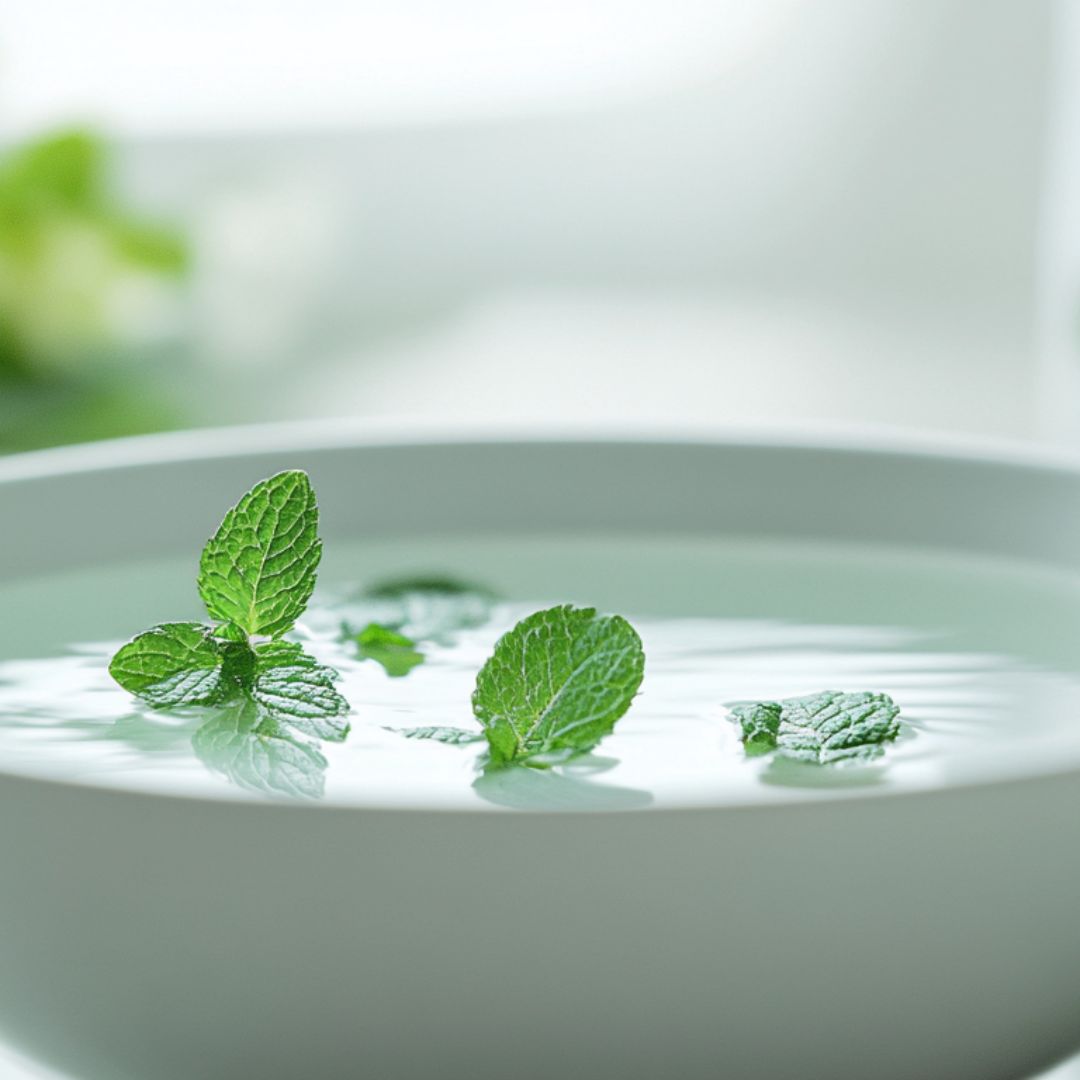
Swollen legs can make your days feel heavy and uncomfortable—but natural solutions can help soothe this type of oedema. From traditional home remedies to targeted exercises and prevention tips, here’s how to get lighter, calmer legs—while enjoying a serene moment with a cup of Organic Ceremonial Matcha.
Reading time: 10 minutes
Why do legs swell?
Oedema is the buildup of fluid in the tissues of the legs and feet. Several factors can trigger this water retention: poor circulation, excess salt, heat, inactivity, or health conditions such as venous insufficiency. Pregnant women and people who stay still for long periods (long-haul flights, prolonged standing) are especially prone.
Common causes
1. Water retention
A diet high in salt or sodium encourages the body to retain water. Eating too many processed foods, cured meats, and canned products can make swelling worse—often noticeable around the ankles.
2. Poor circulation
When blood struggles to return to the heart, it can pool in the leg veins. Vein valves weaken over time, leading to varicose veins and chronic oedema when you remain immobile for too long.
3. Lack of movement
Without regular movement, the natural “muscle pump” of the calves is less active. With fewer contractions, venous return slows and fluids accumulate.
4. Heat
Heat dilates blood vessels and slows circulation. In summer, symptoms often worsen: legs feel heavier and feet swell more frequently.
5. Underlying conditions
Heart failure, kidney issues, or liver disorders can impair the body’s ability to eliminate excess fluid. Persistent oedema should always be discussed with a healthcare professional.
Natural home remedies
| Remedy | How to do it | Frequency |
|---|---|---|
| Elevate your legs | Lie down, legs above heart level | 3×10–15 min/day |
| Cold foot baths | Soak for 15 min in cold water | Once a day |
| Parsley infusion | Boil fresh parsley for 10 min | 2–3 cups/day |
| Essential oil massage | Rosemary + sweet almond oil | Every evening |
Leg elevation
To stimulate venous return, lie down and rest your legs on cushions (or against a wall) above heart level. Hold for 15 minutes, 2 to 3 times a day for visible relief.

Cold foot baths
Soak your feet in a basin of cold water (10–15 minutes). Blood vessels constrict, helping reduce swelling. For extra freshness, add a few drops of peppermint essential oil.
Parsley infusion
Parsley is a natural diuretic. Boil a handful of fresh parsley in 1 litre of water, let it infuse for 10 minutes, then strain. Drink 2–3 cups per day to support fluid elimination.
Essential oil massage
Mix 5 drops of rosemary essential oil and 5 drops of juniper essential oil into 30 mL of sweet almond oil. Massage from ankles upward in circular movements, 5 minutes per leg.
Other supportive remedies
Dandelion infusion
Dandelion supports drainage. Infuse 1 tablespoon of dried leaves in 200 mL of boiling water, strain, then drink morning and evening.
Apple cider vinegar
Soak a cloth in apple cider vinegar and apply to ankles for 10 minutes—or drink 1 tablespoon diluted in water in the morning to support overall balance.
Reduce salt
Limit added salt and choose fresh herbs instead. Avoid cured meats and ultra-processed meals high in sodium to help reduce water retention.
Exercises to support circulation
Daily walking
30 minutes of brisk walking activates the muscle pump and improves venous return.
Wall stretch
Lie down with your legs up against a wall at a 90° angle for 5–10 minutes. Calves relax and circulation feels smoother.
Swimming
Water pressure supports lymphatic drainage. Swim for 20–30 minutes for longer-lasting relief.
Prevention and practical tips
- Dry brushing: supports lymphatic flow before your shower.
- Hydration: drinking around 1.5 L of water/day supports elimination.
- Compression socks: useful for long periods of standing or travel.
When should you see a doctor?
If swelling appears suddenly, is painful, comes with redness, or is accompanied by breathing difficulties, seek medical care immediately. Persistent oedema can indicate a serious condition (blood clot, heart failure, etc.).
Matcha to support circulation
Matcha contains catechins (EGCG) and L-theanine, which may support endothelial function and help reduce inflammation. A cup in the morning and early afternoon can be a gentle addition to a circulation-friendly routine.

Conclusion
Swollen legs often respond well to simple natural strategies: leg elevation, cold baths, gentle diuretic infusions, and regular movement can make a real difference. If you’re unsure about the cause, consult a healthcare professional to identify the underlying issue and adapt the best approach.