Which vitamins are in matcha? Nutritional composition
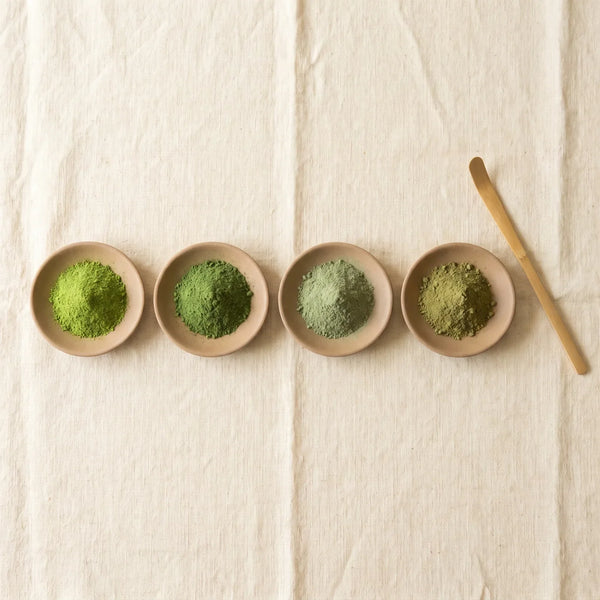
Matcha is made from tencha green tea leaves, grown in the shade and finely ground, so it gives you all the micronutrients in the leaf, including vitamins A, C, E and B (B1, B2, B3, B6, B9), minerals such as iron, magnesium and zinc, plus plant protein and arginine.
By the Matcha Matcha team
Contents 7 portions
A naturally nutrient-dense profile
The figures below are indicative and can vary depending on origin, harvest, and matcha grade.
| Nutrient | Amount / 1 g | Typical role (indicative) |
|---|---|---|
| Caffeine | 30 mg | Energy & alertness |
| L-theanine | 20 mg | Calm focus |
| Catechins (EGCG) | 100 mg | Antioxidant support |
| Vitamin A (beta-carotene) | 300 µg RAE | Vision & immunity |
| Vitamin C | 5 mg | Defences & iron absorption |
| Vitamin E | 1 mg | Cell protection |
| Vitamin B1 (thiamin) | 0.05 mg | Nervous system support |
| Vitamin B2 (riboflavin) | 0.08 mg | Energy production |
| Vitamin B3 (niacin) | 0.1 mg | Metabolism |
| Vitamin B6 | 0.07 mg | Neurotransmitters |
| Vitamin B9 (folate) | 25 µg | Cell growth |
| Iron | 0.3 mg | Oxygen transport |
| Magnesium | 5 mg | Muscles & relaxation |
| Zinc | 0.2 mg | Immunity & recovery |
| Plant protein | 0.1 g | Everyday repair |
| Arginine | 10 mg | Circulation & recovery |
| Fibre | 0.2 g | Digestive support |
Vitamins: key roles & benefits
Vitamin A (beta-carotene)
A precursor to vitamin A, beta-carotene supports vision (especially in low light) and helps maintain healthy mucous membranes. Its antioxidant activity also supports everyday resilience.
Vitamin C
This powerful antioxidant supports immune function and can help the body absorb plant-based iron — a helpful combo when you’re aiming to reduce tiredness.
Vitamin E
Vitamin E helps protect cell membranes from oxidative stress and works in synergy with vitamin C.
B vitamins
B1 (Thiamin)
Helps convert carbohydrates and fats into energy and supports the nervous system for better mental performance.
B2 (Riboflavin)
Plays a role in cellular energy production and supports healthy skin and mucous membranes.
B3 (Niacin)
Supports metabolism and contributes to normal energy-yielding processes.
B6
Involved in neurotransmitter synthesis (serotonin, dopamine), helping support mood balance.
B9 (Folate)
Essential for DNA synthesis and cell renewal, particularly important during growth and pregnancy.
Minerals & amino acids
Matcha naturally contains iron, magnesium, and zinc, alongside amino acids such as L-theanine and arginine. Together, they make matcha a smart addition to a balanced lifestyle — especially when you want calm energy and everyday support.

Health benefits: beyond energy
Metabolism support & weight management
Matcha’s catechins are often studied for their role in thermogenesis and fat oxidation — best enjoyed as part of a healthy routine with regular movement.
Focus & alertness
Caffeine balanced by L-theanine can feel smoother than coffee for many people, supporting steady alertness for work or study.
Immune support
Antioxidants, vitamin C, and zinc contribute to your body’s natural defences, while chlorophyll is often appreciated as part of a “clean” daily ritual.
Stress support & mental wellbeing
L-theanine is associated with a relaxed, clear mind — a great match for calmer productivity.
How to enjoy matcha
Traditional preparation
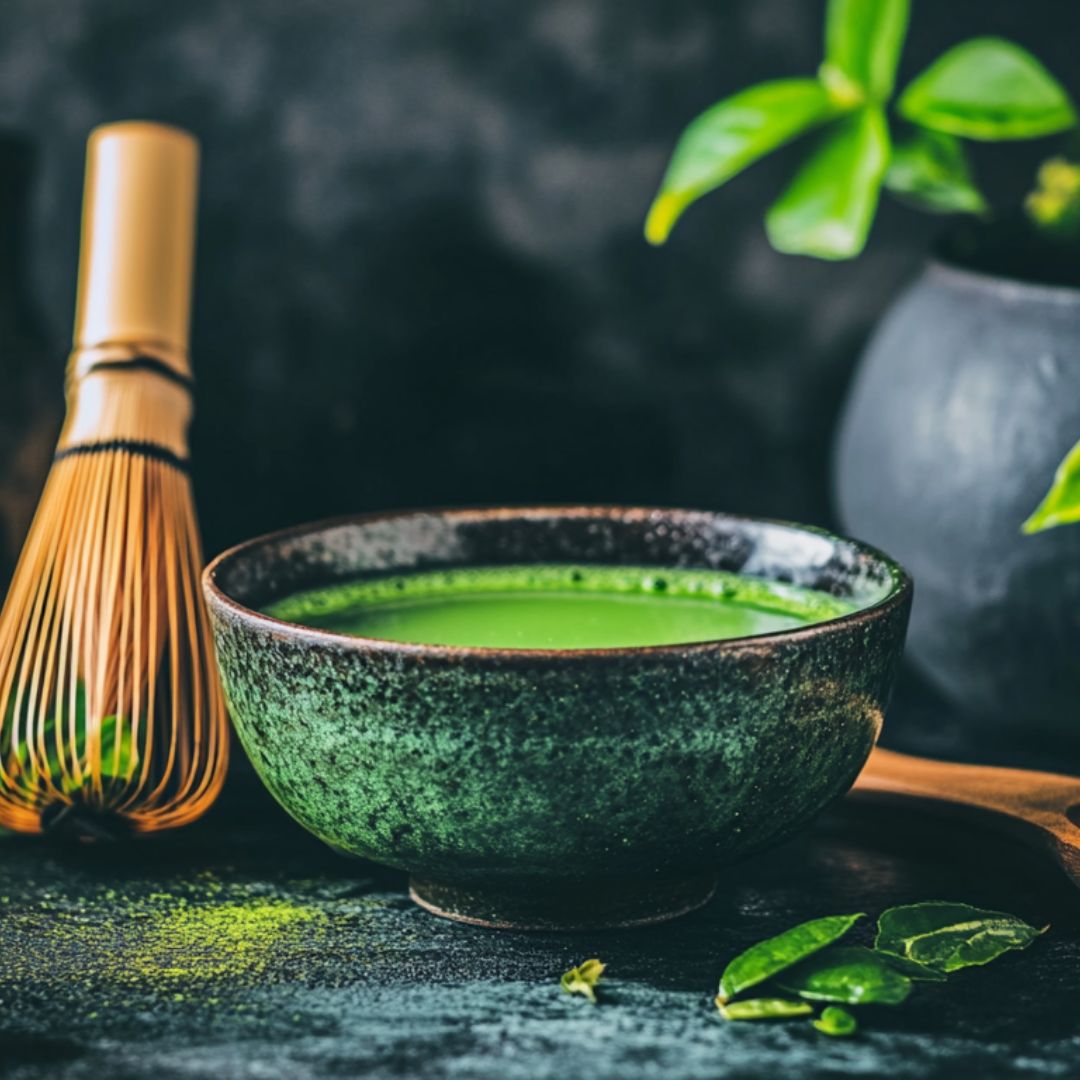
Sift 1–2 g (adjust to your tolerance) into a bowl, add about 70 ml water at 75°C, then whisk for 30 seconds until lightly foamy. A perfect morning ritual.
Vitamin smoothie
Blend 1 g matcha with 100 ml orange juice, 1 banana, a handful of spinach, and 1 tbsp chia seeds for a fibre-rich drink.
Cooking with matcha
Add matcha to pancakes, muffins, or energy bars. For best flavour and colour, mix it into cool or warm preparations rather than boiling-hot sauces.
Practical tips
- Store matcha airtight, away from light and heat.
- Use water around 70–80°C for a smoother taste.
- Try iced matcha with fruit and mint for a refreshing summer version.
Precautions & contraindications
If you’re sensitive to caffeine, keep it to around 1–2 g per day and avoid drinking it late afternoon. If you have specific health concerns (such as stomach ulcers or severe anxiety), ask a healthcare professional for guidance.