Folic Acid: Which Foods Contain It and Why Is It So Important?
By the Matcha Matcha team
Contents 9 portions
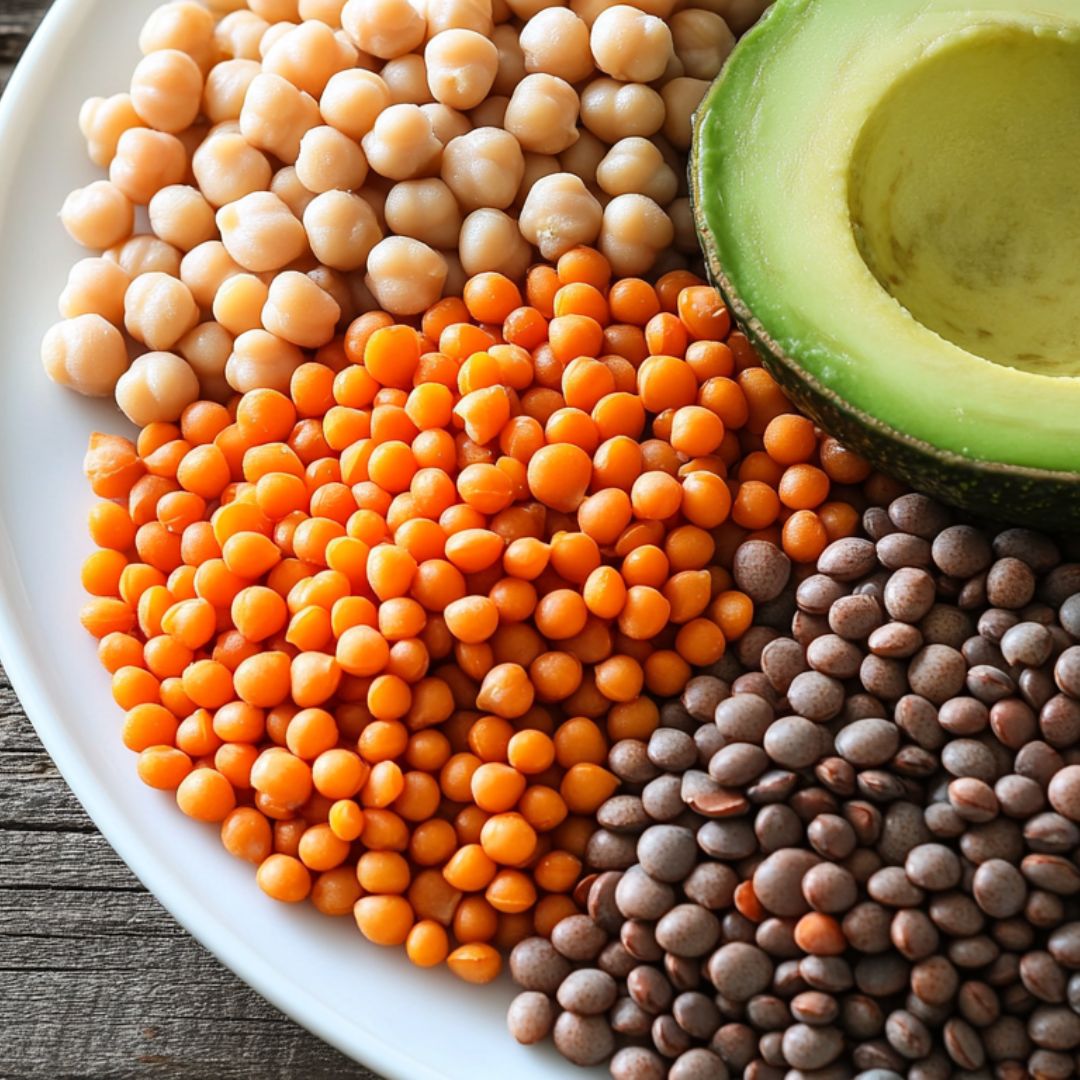
Folic acid, also known as vitamin B9, is essential for overall health: it supports red blood cell production, DNA synthesis, nervous system development, and helps reduce the risk of certain birth defects. To get enough, focus on a varied diet rich in leafy greens, legumes, citrus fruits, and fortified cereals. Below, you’ll discover how each food group contributes to meeting your needs—and why this vitamin matters so much, especially during pregnancy.
Reading time: 12 minutes
What is folic acid (vitamin B9)?
Folic acid is the synthetic form of vitamin B9, a water-soluble vitamin that plays a key role in cell division and tissue renewal. It supports the production of blood cells, DNA synthesis, and the development of the nervous system. During pregnancy, adequate B9 intake helps lower the risk of neural tube defects, making it especially important for anyone who is pregnant or planning a pregnancy.
Why is folic acid important for your health?
Reducing the risk of birth defects
An intake of 400–600 µg/day before conception and during the first trimester can significantly reduce neural tube defects (such as spina bifida and anencephaly). These malformations can occur very early in pregnancy, sometimes before the first ultrasound. Health authorities commonly recommend supplementation in this period to help support healthy fetal development.
Red blood cell formation
Vitamin B9 is essential for red blood cell production. When intake is too low, it can lead to megaloblastic anaemia—red blood cells become unusually large and less effective—causing fatigue, paleness, and shortness of breath. Getting enough B9 supports healthy oxygen transport and day-to-day vitality.
Nervous system support
B9 contributes to the synthesis of neurotransmitters (including serotonin and dopamine), which are involved in mood and cognitive function. A deficiency may contribute to irritability and memory issues, and over time may be associated with a higher risk of low mood. A steady intake helps support mental clarity and emotional balance.
DNA synthesis and cell growth
At the heart of DNA synthesis, folic acid supports cell replication and tissue repair. During childhood and adolescence—periods of rapid growth—it’s important for healthy development. It also supports wound healing and normal cell renewal at any age.
Which foods contain folate?
| Food | Folate (µg/100 g) | % RI |
|---|---|---|
| Spinach (cooked) | 140 | 35% |
| Lentils (cooked) | 358 | 90% |
| Oranges | 30 | 8% |
| Avocado | 80 | 20% |
| Sunflower seeds | 227 | 57% |
| Fortified cereals | 400 | 100% |
| Beetroot (cooked) | 109 | 27% |
| Chicken liver | 580 | 145% |
Leafy greens, legumes, and fortified products can help you meet your daily needs. For variety, add citrus fruits, avocado, and seeds to salads or smoothies to support your vitamin B9 intake day after day.
Recommended daily intake
Needs vary by age and life stage. Adults typically aim for 300 µg/day, pregnant people for 600 µg/day, and breastfeeding parents for 500 µg/day. During growth phases or periods of high stress, it can be helpful to pay extra attention to your intake.
| Group | RI (µg/day) |
|---|---|
| Adults | 300 |
| Pregnancy | 600 |
| Breastfeeding | 500 |
| Children (1–13 years) | 150–300 |
How cooking and preparation affect folate
Folic acid (and natural folates) are sensitive to heat and water. Long cooking times and boiling in lots of water can reduce levels by 30–50%. Choose steaming, microwaving, or quick cooking methods to preserve more nutrients.
Store fresh vegetables in the fridge and use them promptly. Avoid chopping too far in advance—exposure to oxygen can speed up folate degradation.
Interactions and precautions
Some medications (including certain anti-epileptics, methotrexate, and barbiturates) may reduce B9 absorption. Conversely, excessive supplementation can mask a vitamin B12 deficiency, which may lead to neurological risks. Always speak to a healthcare professional before starting a supplement, especially if you take medication.
People with gastrointestinal conditions (malabsorption, coeliac disease) may need to monitor intake more closely and discuss appropriate forms of supplementation with a professional.
Tips to increase your folate intake
- Combine greens and legumes: a spinach-and-lentil smoothie can quickly boost folate intake.
- Mix raw and cooked: pair salads with steamed vegetables to vary textures and help preserve vitamins.
- Include fortified foods: fortified cereals and breads can help maintain consistent intake when meals are limited.
Risks of folate deficiency
A deficiency may contribute to megaloblastic anaemia, persistent fatigue, irritability, neurological symptoms, and pregnancy-related complications. Early signs can include paleness, shortness of breath, and reduced appetite. If you suspect a deficiency, a simple blood test can help assess your B9 status.
Conclusion
Folic acid is a cornerstone of cellular, immune, and neurological health. By prioritising leafy greens, legumes, citrus fruits, and fortified products, you can meet your needs and reduce the risk of deficiency. Use gentle cooking methods, vary your sources, and consult a professional if supplementation is appropriate. To explore more wellness content and recipes, visit Matcha Matcha.